
updates
2026 Ultimate Guide to Recreational Dispensary: Navigating the New Era of Legal Cannabis
Jan
Welcome to the World of Legal Cannabis
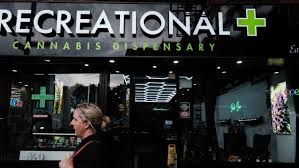
The United States is experiencing a green revolution. From the sun-kissed coasts of California to the bustling streets of New York, a new kind of retail destination is flourishing: the recreational dispensary. These modern emporiums represent far more than just points of sale; they are the welcoming gateways to a legal, safe, and sophisticated cannabis culture. A recreational dispensary offers adults a curated, compliant, and community-focused experience, a world apart from the days of clandestine transactions.
The numbers tell a compelling story. According to industry analysts at Statista, legal cannabis sales in the U.S. are projected to soar past $40 billion by 2025, with recreational sales driving a significant portion of that growth. This explosive expansion, fueled by ongoing state-level legalization, has transformed cannabis from a niche market into a mainstream consumer industry. This guide is your all-access pass, designed to demystify the recreational dispensary experience, whether you’re a curious first-timer or a seasoned enthusiast looking to refine your approach. We’ll explore how to find the best recreational dispensaries, what to expect inside, and how to make informed, enjoyable choices.
What Exactly is a Recreational Dispensary?
Defining the Modern Dispensary
At its core, a recreational dispensary is a state-licensed retail establishment legally authorized to sell cannabis and cannabis-infused products to adults aged 21 and over, for non-medical, personal use. Unlike a medical dispensary, which requires a doctor’s recommendation or a state-issued medical card to purchase, a legal recreational dispensary operates on an adult-use model, similar to a liquor store.
Recreational vs. Medical: Key Differences
While the product may look similar, the frameworks differ:
- Purpose & Access: Medical dispensaries serve patients with qualifying health conditions. Recreational dispensaries serve all adults for enjoyment, relaxation, or personal wellness.
- Taxation: Recreational cannabis is typically subject to significantly higher state and local taxes than medical cannabis.
- Potency & Limits: Some states impose higher potency limits or larger purchase quantities for medical patients.
- Product Focus: Medical dispensaries may carry a higher concentration of products tailored to specific symptoms (e.g., high-CBD, low-THC strains), while recreational shops often feature a broader range of experience-driven products.
The rise of states like Colorado (2014), California (2018), and New York (2023) has normalized the recreational model, proving that a regulated market ensures safety, generates substantial tax revenue, and undermines the illicit market.
The Legal Landscape: Navigating Rules & Regulations
Understanding the law is non-negotiable. Compliance ensures your safety and the integrity of the industry.
Universal Rules Across Legal States
- Age Requirement: You must be 21 or older with a valid, government-issued photo ID (driver’s license, passport, state ID). No exceptions.
- Purchase & Possession Limits: States strictly limit how much cannabis you can buy and possess at one time. For example, Colorado allows 1 ounce of flower, while Illinois sets the limit at 30 grams for residents.
- Cash is (Often) King: Due to federal banking restrictions, many dispensaries are cash-only, though debit card systems and ATMs on-site are increasingly common.
- Consumption Laws: Public consumption is almost always illegal. Cannabis must be consumed on private property, with the owner’s permission. Driving under the influence is a serious crime.
State-by-State Variations: A Patchwork of Laws
This is critical. Laws differ dramatically:
- Where You Can Buy: Some states allow dispensaries in commercial zones, while others have more restrictive zoning.
- Home Cultivation: States like Michigan allow adults to grow a limited number of plants at home; others, like Illinois, prohibit it for recreational users.
- Crossing State Lines: Transporting cannabis across state borders—even between two legal states—remains a federal felony.
Myth Buster: “Legal weed means I can use it anywhere.” False. Treat it like alcohol; private, responsible consumption is key.
How to Find the Best Recreational Dispensary Near You
Searching for “recreational dispensary near me” yields results, but how do you choose? Follow this step-by-step recreational dispensary guide.
Step 1: Leverage Technology & Research
- Use Dedicated Apps: Weedmaps and Leafly are industry standards. They provide menus, verified reviews, photos, and deals. Filter by “Recreational” to see only relevant shops.
- Google Maps & Reviews: Check ratings and read recent customer reviews for insights on wait times, staff knowledge, and overall vibe.
Step 2: Evaluate Key Factors
Not all dispensaries are created equal. Use this checklist:
- Product Variety & Quality: Do they offer a wide range of strains, reputable brands, and product types (flower, edibles, concentrates)?
- Transparency & Testing: Reputable dispensaries provide third-party lab testing results (Certificates of Analysis) for potency and contaminants.
- Staff Knowledge (“Budtenders”): Are they friendly, patient, and educated? They should be able to explain products and effects.
- Pricing & Value: Compare prices, but remember: the cheapest option isn’t always the best. Look for quality, transparency, and fair value.
- Location & Atmosphere: Is it clean, secure, and welcoming? A professional environment reflects a well-run business.
First-Time Visitor Checklist:
- Government-issued ID
- Cash (call ahead to confirm payment options)
- A list of questions or desired effects (e.g., “I want something relaxing” or “I’m looking for a creative boost”)
- An open mind and patience, especially during peak hours
Section 4: A Walk-Through: What to Expect Inside
Walking into a recreational cannabis dispensary for the first time can be thrilling. Here’s what typically happens:
- Security & Check-In: You’ll be greeted by a security officer and check-in at a front desk where your ID will be meticulously verified. You may be given a numbered ticket or added to a queue.
- The Sales Floor: Once called, you’ll enter the main retail area. Products are often displayed in glass cases or on shelves. You usually cannot handle products until purchased.
- The Budtender Consultation: This is the heart of the experience. A budtender will assist you. Be honest about your experience level, desired effects, and any concerns.
- Etiquette Tips:
- Have your ID ready.
- Don’t be afraid to ask “beginner” questions.
- Use common strain names or describe effects rather than slang.
- Phones in your pocket—photography is often prohibited.
- Tip your budtender if you received great service (usually $3-$5).
Section 5: Top Products to Discover
A modern dispensary offers an array of choices. Here’s a breakdown:
- Flower (Buds): The classic choice. Strains are generally categorized as:
- Indica: Known for relaxing, full-body effects (“in da couch”). Ideal for evening use. Beginner-friendly example: Granddaddy Purple.
- Sativa: Known for uplifting, cerebral, and energizing effects. Good for daytime. Beginner-friendly example: Jack Herer.
- Hybrids: A blend of indica and sativa genetics, offering balanced effects.
- Pre-Rolls: Ready-to-smoke joints. Perfect for beginners or convenience.
- Edibles: Food and drink products infused with cannabis. Start low and go slow (e.g., 2.5-5mg THC). Effects can take 60-90 minutes to feel.
- Vapes & Concentrates: Cannabis oil in cartridges (for batteries) or highly potent extracts like wax and shatter. Offer discretion and potency. Ensure hardware is compatible.
- Topicals: Creams, balms, and patches infused with cannabinoids. Typically non-psychoactive, designed for localized relief.
Section 6: Why Shop Legal? The Undeniable Benefits
Choosing a licensed recreational dispensary over illicit sources isn’t just about legality—it’s about safety and quality.
- Rigorous Testing: Legal products are tested for potency (THC/CBD percentages) and screened for harmful pesticides, heavy metals, and microbial contaminants.
- Accurate Labeling: You know exactly what you’re getting—potency, strain type, and ingredients are clearly listed.
- Product Variety & Innovation: Access to a vast, evolving array of professionally crafted products.
- Community & Economy: You support local jobs and contribute tax revenue that funds public services like education and infrastructure.
- Health & Wellness: A safe, controlled way to explore cannabis for stress relief, social connection, creative inspiration, or simply personal enjoyment.
Section 7: Common First-Time Mistakes to Avoid
- Overbuying: Start with a small amount of one or two products to see how you react.
- Ignoring THC Potency: A high THC percentage doesn’t always mean a “better” experience. Beginners should opt for moderate potency (15-20% THC for flower).
- Skipping the Budtender Chat: They are your best resource. Don’t just point at the first thing you see.
- Not Planning for Consumption: Purchase before you plan to consume. Have a safe, private place to enjoy your product.
- Forgetting About Edibles Onset Time: The #1 mistake! Impatience leads to overconsumption. Wait at least two hours before considering more.
Section 8: Spotlight on Standout Recreational Dispensaries
(Note: Always check current reviews and menus, as the landscape evolves quickly.)
- Dispensary Pharmacy (Los Angeles, CA): Often called the “Apple Store of cannabis.” Pros: Sleek design, extensive brand selection, educational focus. Cons: Can be pricey, often busy.
- Dispensary Pharmacy (San Francisco, CA & Las Vegas, NV): Known for its boutique, consultative approach. Pros: Highly knowledgeable staff, elegant ambiance, focus on customer experience.
- Silverpeak (Aspen, CO): A high-end, apothecary-style dispensary in a prime location. Pros: Exceptional product curation, luxurious feel, veteran budtenders.
- Dispensary Pharmacy (Chicago, IL & other states): Part of a large, multi-state operator known for consistency and broad access. Pros: Reliable, good product range, professional.
- Have a Heart (Seattle, WA): A community-focused chain with a friendly, unpretentious vibe. Pros: Great deals, welcoming to all experience levels, strong local ties.
Section 9: The Future of Recreational Dispensaries
The industry is innovating at lightning speed. Look for:
- E-commerce & Delivery: Online ordering for pickup or speedy delivery is becoming standard.
- Cannabis Consumption Lounges: Social spaces where adults can legally consume together, similar to a café or bar.
- Sustainable Practices: A push for organic cultivation, eco-friendly packaging, and carbon-neutral operations.
- Advanced Tech: AI-driven product recommendations based on desired effects, and augmented reality for exploring strain genetics.
- Wellness Integration: More products and services blending cannabis with holistic health, fitness, and culinary experiences.
Conclusion: Your Journey Awaits
The world of legal recreational dispensaries offers an unprecedented opportunity to explore cannabis with confidence, safety, and curiosity. By understanding the laws, knowing what to look for in a quality shop, and approaching your first visit with an open mind, you’re set for a positive experience. Remember, the journey is personal—what works for one person may differ for another. Start low, go slow, and prioritize safety and enjoyment above all else.
Ready to explore? Use the tools and knowledge from this guide to find a top-rated recreational dispensary in your area and begin your own discovery.
Frequently Asked Questions (FAQs)
1. Is an ID required at a recreational dispensary?
Yes, without exception. A valid, government-issued photo ID proving you are 21+ is required for entry and purchase.
2. What’s the average cost at a recreational dispensary?
Prices vary by state, product, and potency. An eighth of an ounce (3.5g) of flower can range from $25 to $60+. Pre-rolls start around $5-10, and edibles packs often range from $10-$30.
3. Can I use a credit or debit card?
Many dispensaries are still cash-only due to federal banking restrictions, but “cashless ATM” debit systems are increasingly common. Always call ahead to confirm payment options.
4. What should I say to the budtender?
Be honest! Tell them it’s your first time, describe any past experience, and most importantly, explain what kind of experience you’re looking for (e.g., relaxed, energized, creative, sleepy).
5. How much can I buy at one time?
This is dictated by state law. Limits are typically stated as “per transaction” or “per day.” Common limits are 1 ounce of flower, 5-10g of concentrates, and 100-800mg of edibles. The dispensary will inform you.
6. Is it safe to consume cannabis from a dispensary?
Licensed, tested products from a legal dispensary are exponentially safer than illicit market products, which may contain unknown contaminants or inaccurate potency.
7. Can I return a product if I don’t like it?
Due to health regulations, all sales are almost always final. This is why consultation with your budtender is so important before purchasing.
8. Can I shop at both medical and recreational dispensaries?
Yes, if you are both a qualified medical patient (with a card) and over 21, you can choose which market to shop in, often depending on tax benefits or product needs.
