
Benzodiazepines: Effective Medications for Anxiety, Insomnia, and Seizure Management
Benzodiazepines are a class of prescription medications commonly prescribed for the treatment of anxiety, insomnia, seizures, and muscle spasms. These drugs have been in use for decades and remain a cornerstone in the management of many psychiatric and neurological conditions. At DispensaryPharma.com, we offer a selection of benzodiazepines that are carefully formulated to address a wide range of symptoms, providing patients with the relief they need.
What Are Benzodiazepines?
Benzodiazepines are a group of central nervous system (CNS) depressants that work by enhancing the effect of a neurotransmitter called gamma-aminobutyric acid (GABA). GABA has an inhibitory effect on the brain, reducing neuronal activity and helping to promote feelings of calm, relaxation, and sedation. By increasing GABA activity, benzodiazepines can help reduce symptoms of anxiety, promote sleep, and prevent seizures.
Benzodiazepines are often referred to as “benzos” and are known for their fast-acting, calming effects, making them particularly useful in acute anxiety or panic attacks. However, they are typically prescribed for short-term use due to their potential for dependence and tolerance.
Common Benzodiazepine Medications
There are many different types of benzodiazepines, each varying in strength, duration of action, and side effects. Below are some of the most commonly prescribed benzodiazepines:
-
Diazepam (Valium): Diazepam is one of the most well-known benzodiazepines, often used to treat anxiety, muscle spasms, and seizures. It is fast-acting and can stay in the body for an extended period, making it effective for managing acute episodes of anxiety.
-
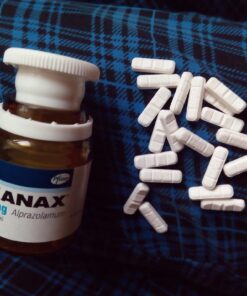
Alprazolam (Xanax): Alprazolam is primarily used to treat anxiety and panic disorders. It has a relatively fast onset and is often used for short-term relief during anxiety attacks or periods of heightened stress.
-
Lorazepam (Ativan): Lorazepam is commonly prescribed for short-term anxiety management and insomnia. It is slower to act than alprazolam but provides longer-lasting effects.
-
Clonazepam (Klonopin): Clonazepam is used to treat anxiety and seizure disorders. It has a longer half-life compared to other benzodiazepines and is often used in the management of panic disorders and epileptic seizures.
-
Temazepam (Restoril): Temazepam is primarily used to treat insomnia. It helps patients fall asleep faster and stay asleep longer without producing the side effects commonly associated with other sleep aids.
How Do Benzodiazepines Work?
Benzodiazepines work by interacting with GABA receptors in the brain. By enhancing GABA’s calming effects, benzodiazepines help to reduce abnormal brain activity, which is responsible for feelings of anxiety, restlessness, and nervousness.
When a person experiences anxiety, the brain’s neurotransmitters become overactive, leading to heightened levels of stress. Benzodiazepines alleviate this by inhibiting this overactivity, helping the individual feel calmer and more in control. This is why they are often used as an emergency solution for acute anxiety or panic attacks.
Benefits of Benzodiazepines
Benzodiazepines are incredibly effective in managing conditions like anxiety and insomnia, but they also come with several additional benefits:
-
Fast-Acting: One of the main advantages of benzodiazepines is how quickly they work. For those suffering from severe anxiety or insomnia, benzodiazepines provide quick relief, often within 30 minutes to an hour after ingestion.
-
Relieves Muscle Tension: Benzodiazepines like Diazepam are often used to alleviate muscle spasms or tension. These medications help relax muscles, providing significant relief for individuals with conditions like musculoskeletal pain or spinal cord injuries.
-
Seizure Control: Benzodiazepines are often used in the management of epileptic seizures. Medications like Clonazepam can prevent or reduce the frequency of seizures in individuals diagnosed with epilepsy.
-
Sleep Aid: Medications like Temazepam are effective in treating insomnia. They help individuals fall asleep faster and stay asleep longer, without the hangover-like effects of other sleep medications.
Common Uses of Benzodiazepines
Benzodiazepines are typically prescribed for the following conditions:
-
Anxiety Disorders: Benzodiazepines are widely used to manage both generalized anxiety disorder (GAD) and panic disorders. They provide fast relief during acute episodes of anxiety and panic attacks.
-
Insomnia: Many individuals suffer from difficulty falling asleep or staying asleep. Benzodiazepines like Temazepam and Lorazepam are prescribed for short-term use to help improve sleep quality.
-
Seizure Disorders: Certain benzodiazepines, like Clonazepam and Diazepam, are used to prevent or manage seizures, including those caused by epilepsy and alcohol withdrawal.
-
Muscle Spasms: Benzodiazepines such as Diazepam can help manage conditions associated with muscle spasms, such as back pain or spinal cord injuries.
-
Alcohol Withdrawal: Benzodiazepines are used to treat alcohol withdrawal symptoms by reducing the risk of seizures and promoting calmness during the detox process.
Side Effects of Benzodiazepines
While benzodiazepines are effective in treating anxiety, insomnia, and other conditions, they come with potential side effects. Some of the common side effects of benzodiazepines include:
-
Drowsiness and Sedation: Since benzodiazepines are CNS depressants, they often cause drowsiness and sedation, which can affect a person’s ability to perform daily tasks like driving or operating machinery.
-
Memory Problems: Some users report short-term memory issues while taking benzodiazepines, particularly at higher doses.
-
Dependence and Tolerance: One of the main risks associated with long-term benzodiazepine use is the potential for dependence and tolerance. Over time, the body may become accustomed to the medication, requiring higher doses to achieve the same effect. This can lead to physical dependence and withdrawal symptoms when trying to stop using the medication.
-
Dizziness and Coordination Problems: Benzodiazepines can affect coordination and balance, which may lead to falls or accidents.
-
Risk of Overdose: When combined with alcohol or other CNS depressants, benzodiazepines can increase the risk of overdose, leading to respiratory depression or coma.
Risks and Considerations
Due to the potential for dependence and tolerance, benzodiazepines are generally recommended for short-term use, typically no longer than 2-4 weeks. Doctors may prescribe them for long-term use in certain cases, but this is carefully monitored.
It’s important to note that benzodiazepines should not be abruptly discontinued, especially after long-term use. Withdrawal symptoms can include anxiety, insomnia, seizures, and tremors. Gradual tapering is recommended to avoid these complications.
Alternatives to Benzodiazepines
For individuals who are concerned about the risks of benzodiazepines, there are alternative treatments available for managing anxiety, insomnia, and pain:
-
Selective Serotonin Reuptake Inhibitors (SSRIs): Medications like Sertraline (Zoloft) and Escitalopram (Lexapro) are commonly prescribed for long-term management of anxiety and depression.
-
Cognitive Behavioral Therapy (CBT): CBT is a non-pharmaceutical treatment option that helps individuals manage anxiety and stress through counseling and behavior modification.
-
Lifestyle Modifications: Practices like yoga, meditation, and mindfulness have been shown to help manage anxiety and promote relaxation without the need for medication.
Conclusion
Benzodiazepines remain one of the most effective treatments for managing acute anxiety, insomnia, seizures, and muscle spasms. While they provide fast relief and are highly effective for short-term use, they come with risks, including dependence and tolerance. As with any medication, it is essential to use benzodiazepines under the supervision of a healthcare professional to ensure safety and efficacy.
At DispensaryPharma.com, we offer a range of benzodiazepine medications to help you manage anxiety, insomnia, and other conditions. If you’re considering benzodiazepine treatment, consult with your doctor to find the best solution for your needs and to ensure a safe and effective approach to managing your symptoms.

Anti-anxiety & Pain Medication

Anti-anxiety & Pain Medication

Anti-anxiety & Pain Medication

Anti-anxiety & Pain Medication

Anti-anxiety & Pain Medication

Anti-anxiety & Pain Medication

Anti-anxiety & Pain Medication

Anti-anxiety & Pain Medication

Anti-anxiety & Pain Medication

Anti-anxiety & Pain Medication
Anti-anxiety & Pain Medication

Anti-anxiety & Pain Medication

Anti-anxiety & Pain Medication

Anti-anxiety & Pain Medication

Anti-anxiety & Pain Medication

Anti-anxiety & Pain Medication
Anti-anxiety & Pain Medication

Benzodiazepines

Anti-anxiety & Pain Medication

Anti-anxiety & Pain Medication

Anti-anxiety & Pain Medication

Anti-anxiety & Pain Medication

Anti-anxiety & Pain Medication

Anti-anxiety & Pain Medication